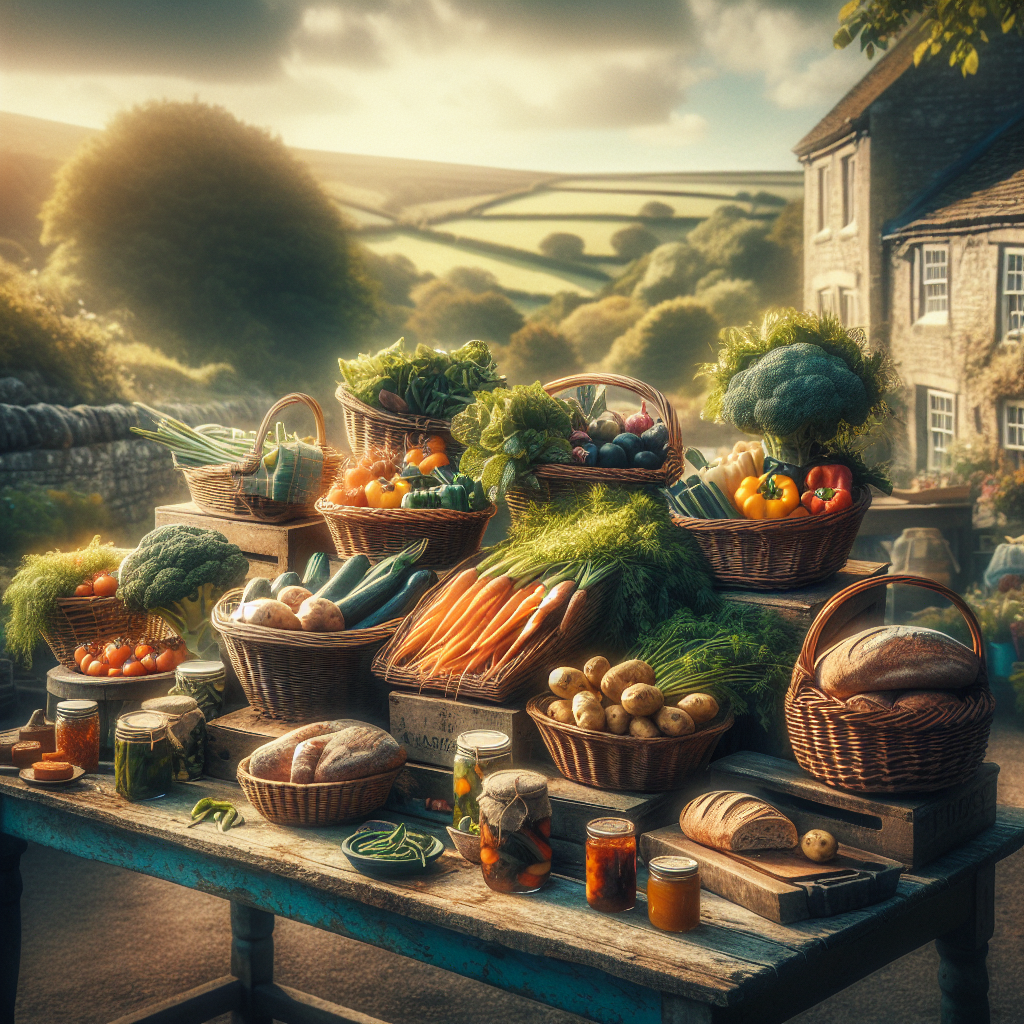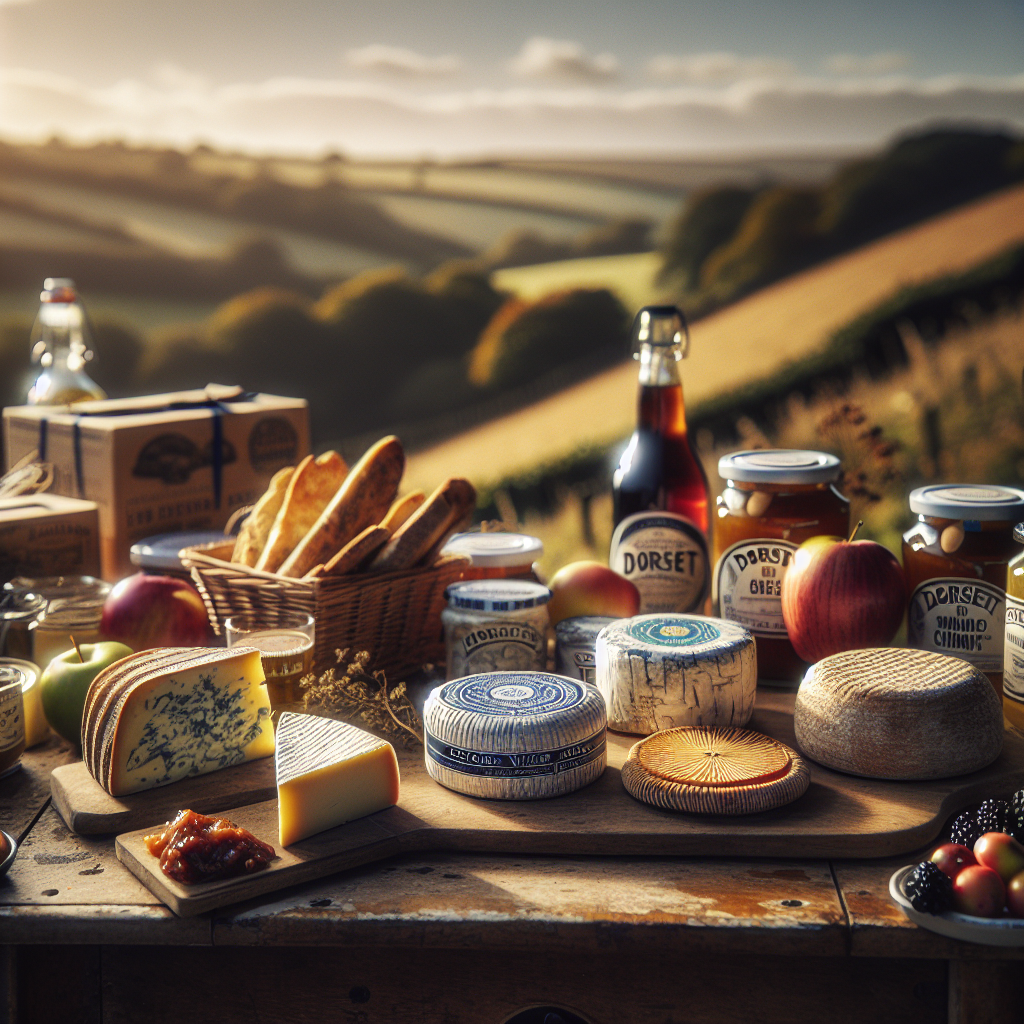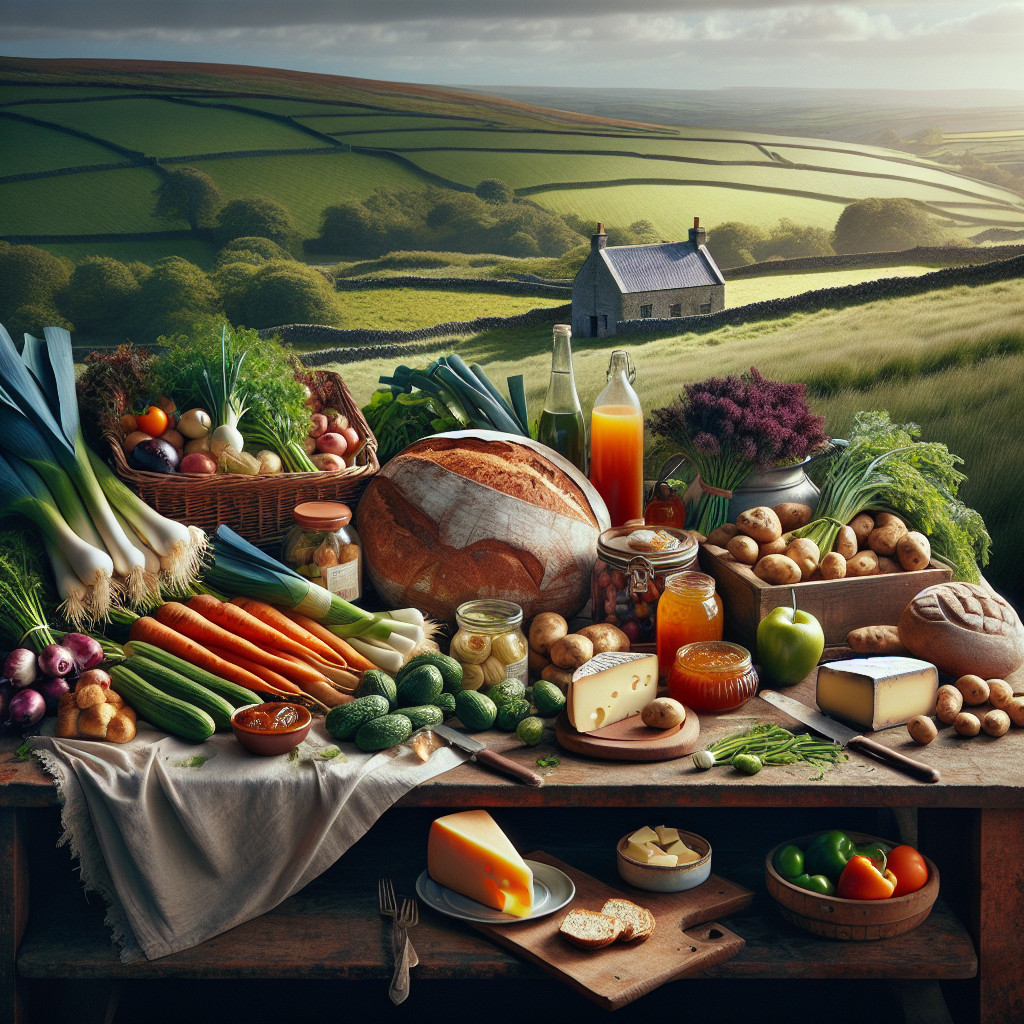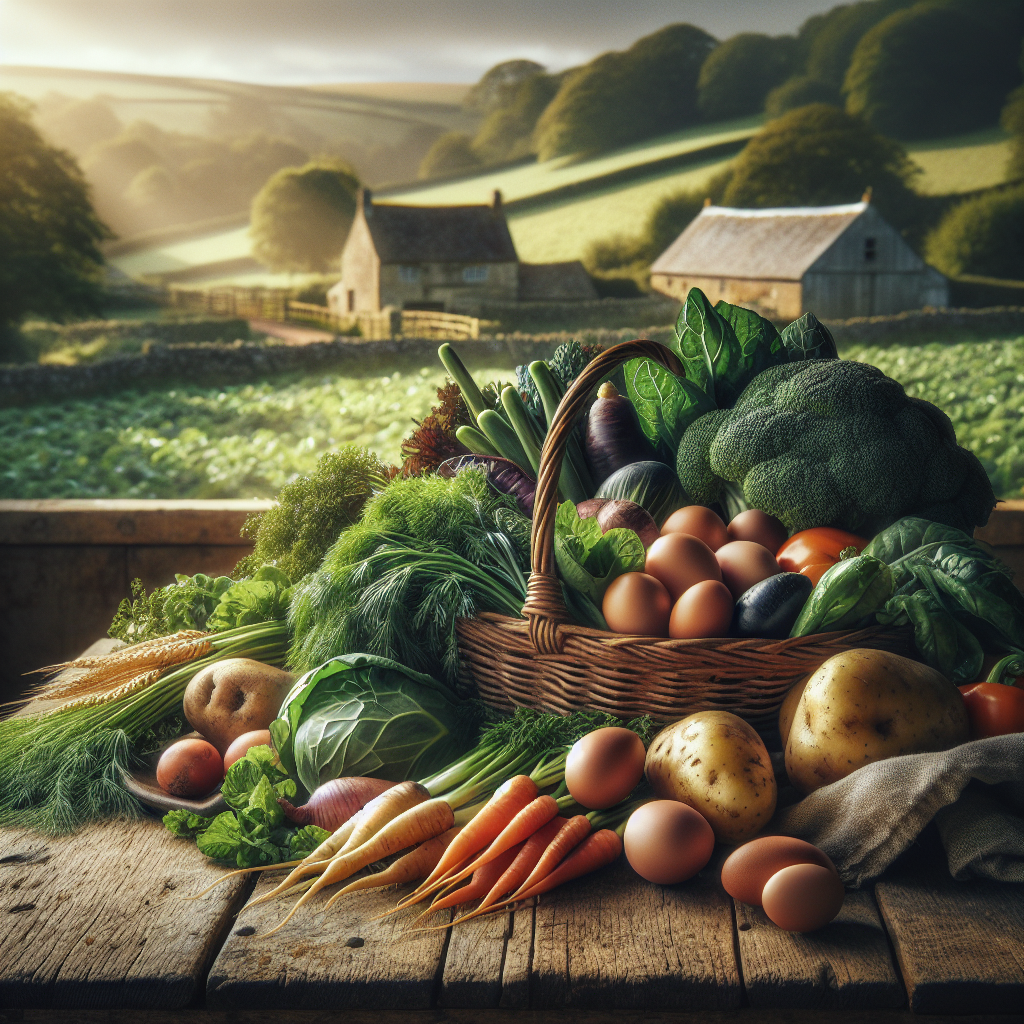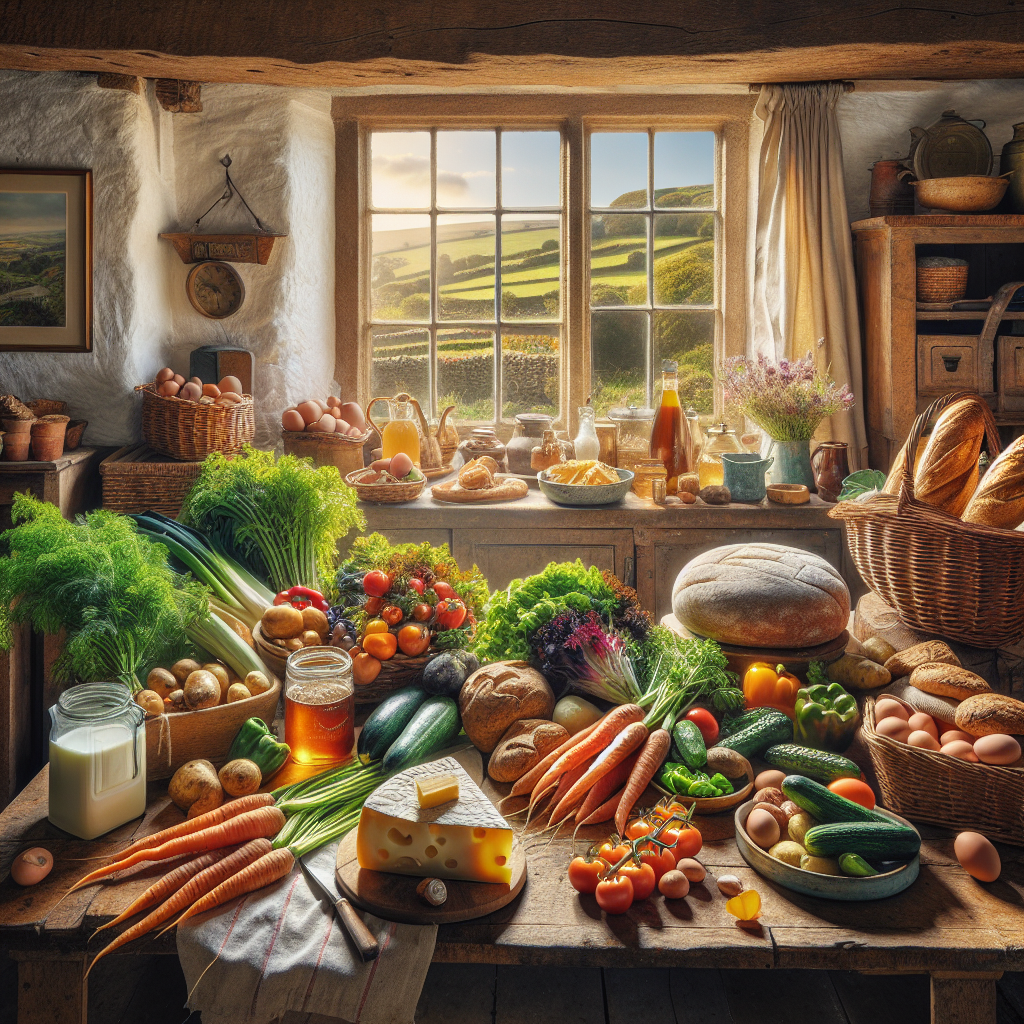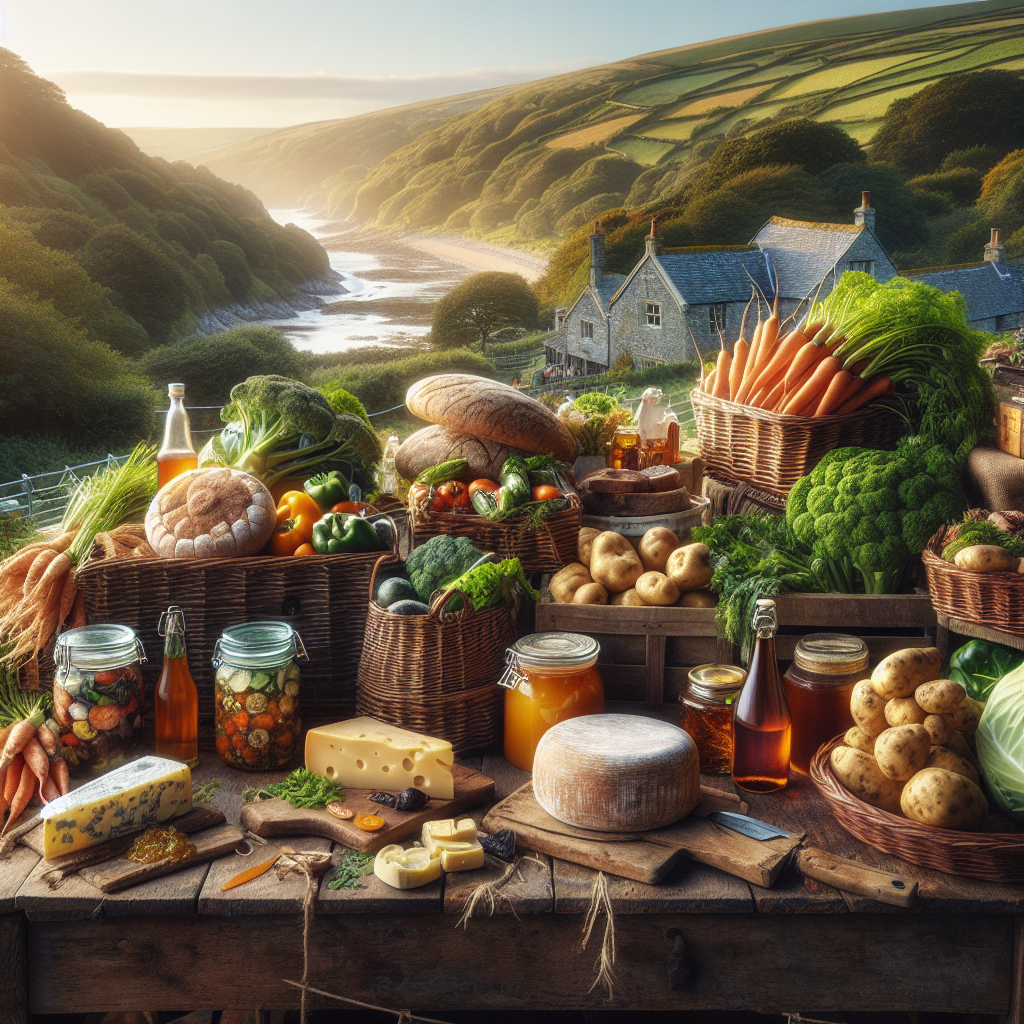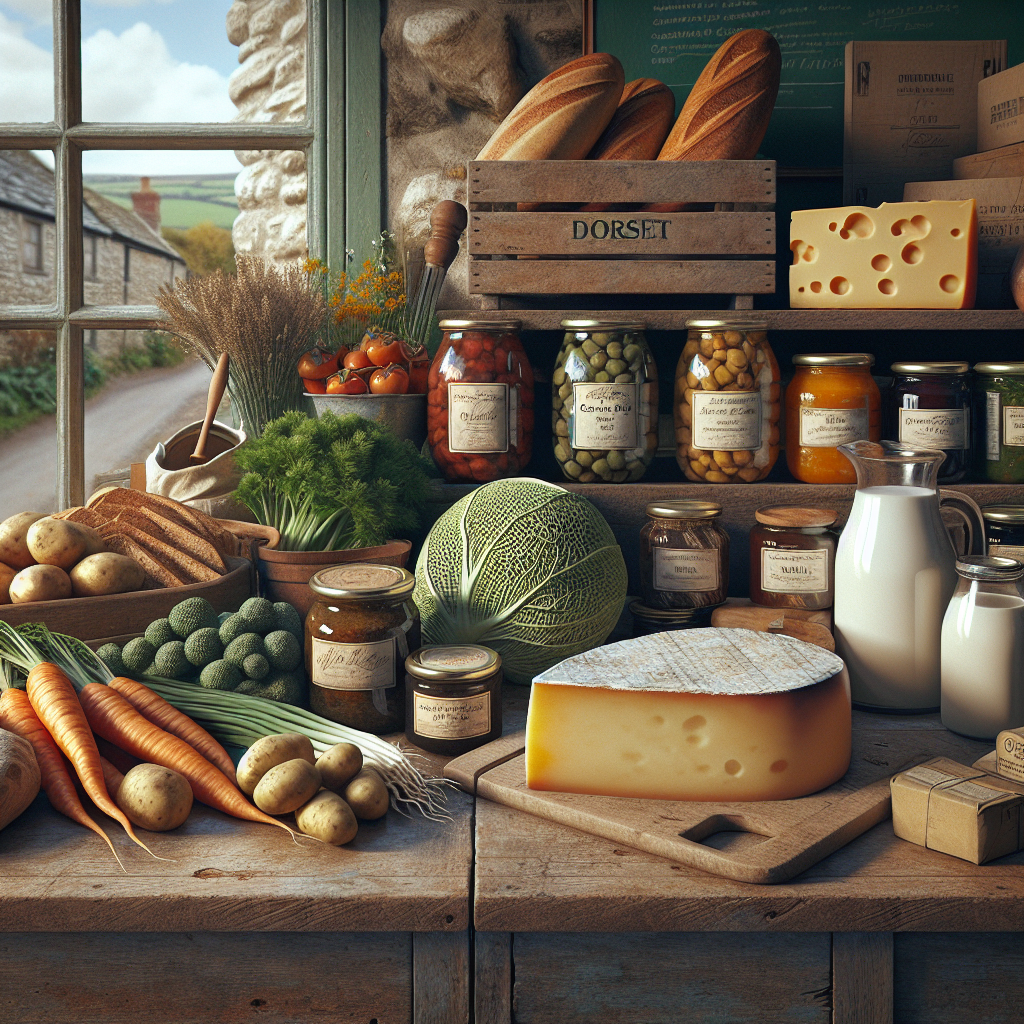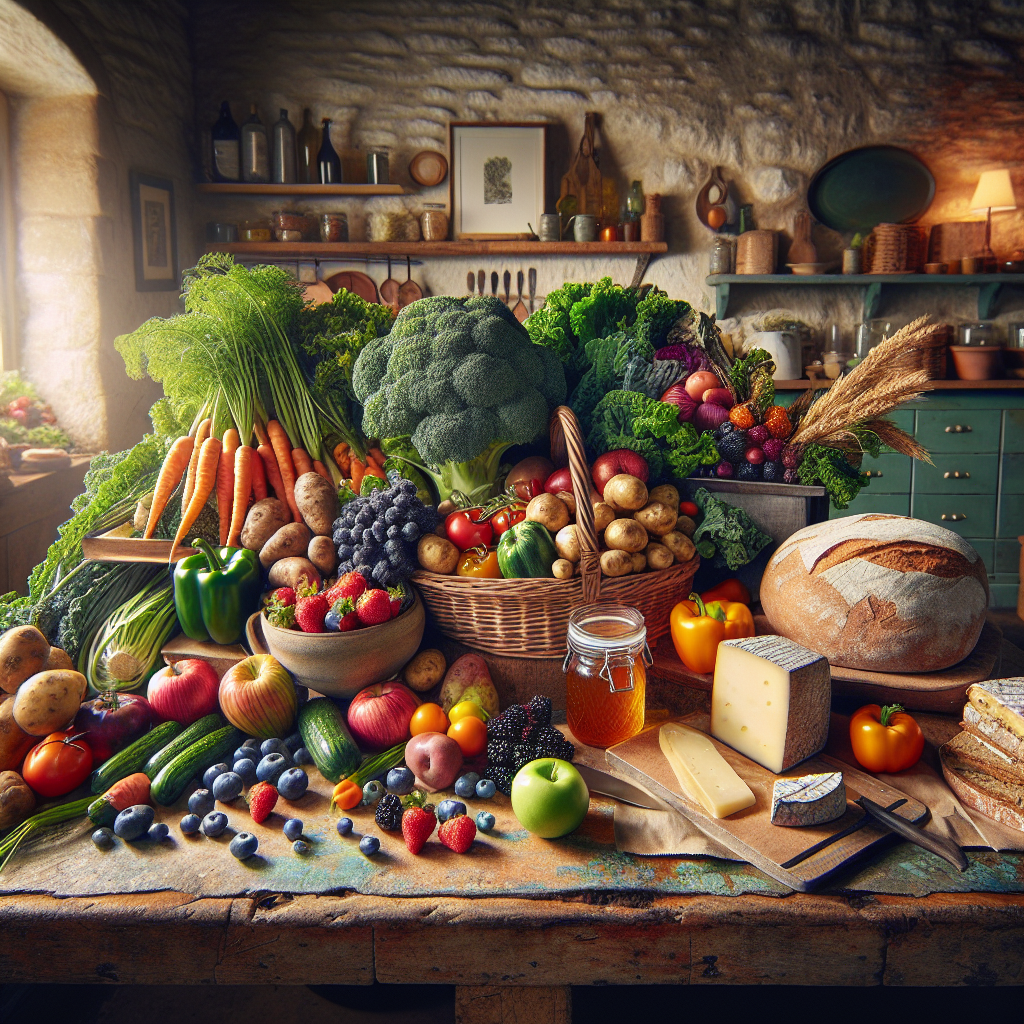
As the sun rises over the rolling hills of Dorset, casting a golden hue on fields ripe with promise, one question lingers in the air: How are we nurturing the next generation’s understanding of nutrition? In a world awash with fast food options and convenience snacks, the importance of teaching better food nutrition in schools cannot be overstated. At Love Local Trust Local, we believe that embracing our local produce is a crucial part of this education, instilling values that will last a lifetime.
Empowering Young Minds with Knowledge
Education is a powerful tool, and when it comes to nutrition, it should be at the forefront of our schools. Teaching children about the importance of food provenance and the role of local agriculture equips them with the knowledge they need to make informed choices. When students learn about where their food comes from, they gain a deeper appreciation for the effort and resources involved in its production. This understanding not only encourages healthy eating habits but also fosters a sense of community and responsibility towards local producers.
Did you know? Studies show that children who participate in food education programmes are more likely to choose fruits and vegetables over processed snacks.
The Trust Mark: A Beacon of Confidence
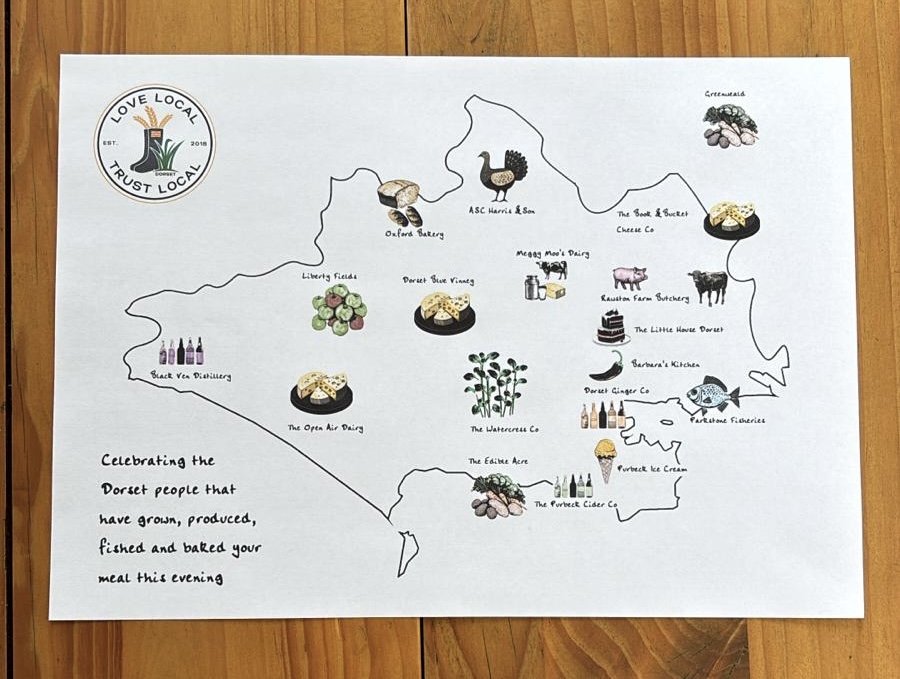
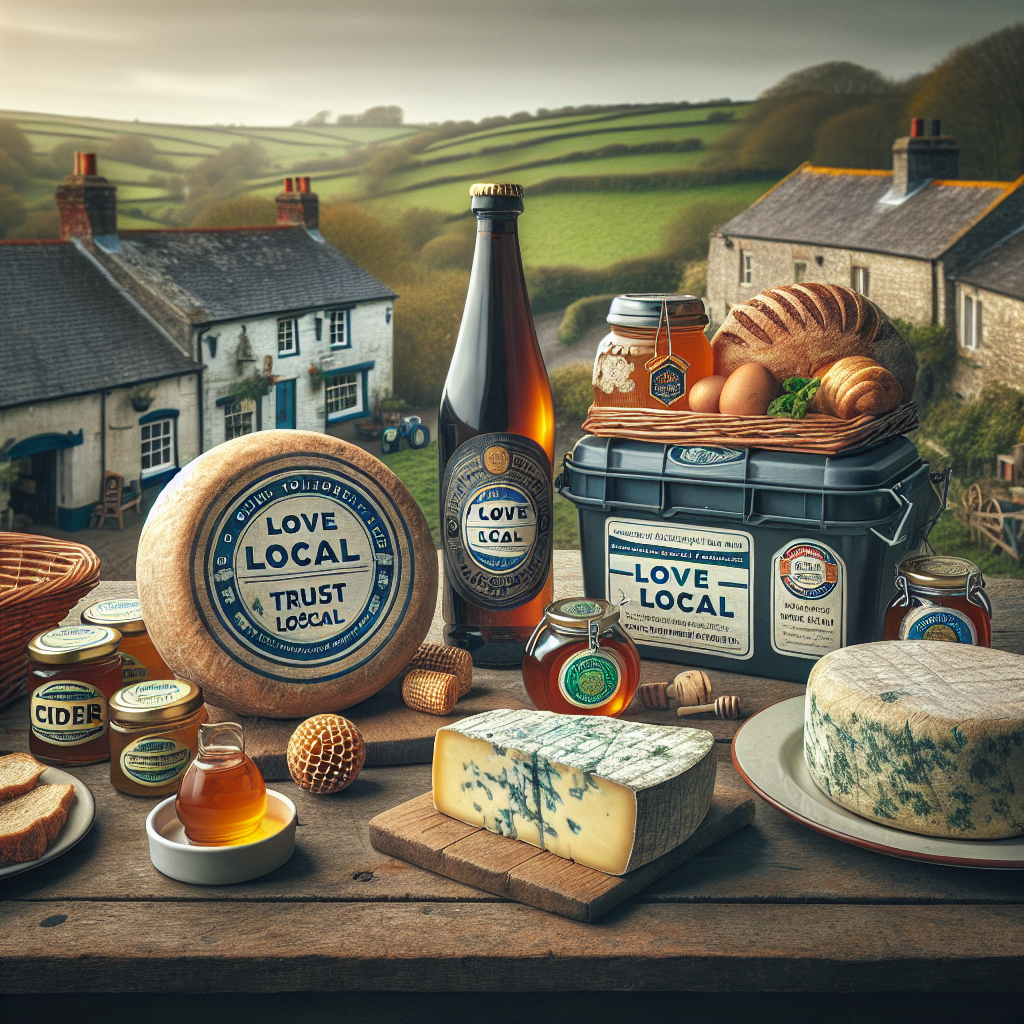
For parents and educators, navigating the food landscape can be daunting. That’s where the Love Local Trust Local mark comes in. This label guarantees that food and drink products are genuinely grown, reared, caught, or made right here in Dorset. By choosing items bearing our trust mark, consumers can shop with confidence, knowing that they are supporting local farmers and producers who prioritise quality and sustainability.
This assurance not only boosts consumer trust but also promotes a thriving local economy. Each purchase helps keep money within our communities, reinforcing the idea that supporting local is not just a trend, but a necessity for our future.
Building Bridges between Schools and Local Producers
Imagine a classroom where children are not only learning about the nutritional value of their meals but also meeting the farmers who grow their food. By forging connections between schools and local producers, we can create enriching experiences that extend beyond textbooks. Field trips to local farms, cooking workshops, and farm-to-fork initiatives can ignite a passion for healthy eating and local produce in young minds.
For instance, a Dorset school recently collaborated with a local vegetable grower to establish a school garden, allowing students to plant, tend, and ultimately harvest their own crops. This hands-on experience not only taught them about nutrition but also instilled a profound respect for the land and those who cultivate it.
Community Impact: Strengthening Dorset’s Food Heritage
Emphasising better food nutrition in schools does more than just educate our youth; it strengthens the very fabric of our community. By advocating for local produce, we are safeguarding Dorset’s rich food heritage. The more we teach our children about the importance of consuming local, seasonal food, the more we preserve the unique flavours and traditions that define our region.
This commitment to local sourcing also promotes sustainability. With reduced food miles, we are not only protecting our environment but ensuring that our food systems remain resilient and robust for future generations.
Join us as we work towards a future where the next generation of Dorset residents understands the value of nutrition and appreciates the bounty of our local farms. By promoting better food education in schools and supporting local producers, we can create a healthier, more sustainable community for all.
If you believe in the power of local produce and want to make a difference, look for the Love Local Trust Local mark in your shopping. Share your favourite local finds, engage with our community, and let’s nurture a future filled with confidence in our food choices together.