In the heart of every thriving community lies a robust hospitality sector that not only provides essential services but also fosters connections among residents and visitors alike. For small businesses and local services, understanding the importance of hospitality can be the difference between success and stagnation. As we move into March 2026, it is crucial to recognise how hospitality impacts our communities, particularly in beautiful Dorset.
Understanding Hospitality’s Impact
Hospitality is more than just food and accommodation; it encompasses a spirit of welcome and inclusivity. From local cafés to family-run hotels, the hospitality sector plays a pivotal role in shaping the community’s character and economy. However, many local businesses may overlook the significance of exceptional hospitality, which can lead to missed opportunities for growth and connection.
The Economic Benefits of Strong Hospitality
-
Job Creation: A thriving hospitality sector can create numerous job opportunities, helping to reduce unemployment rates and boost the local economy. Small businesses often hire locally, which keeps money circulating within the community.
-
Attracting Visitors: Quality hospitality can attract tourists, which is essential for areas like Dorset that rely on seasonal visitors. A positive experience encourages repeat visits and word-of-mouth recommendations.
-
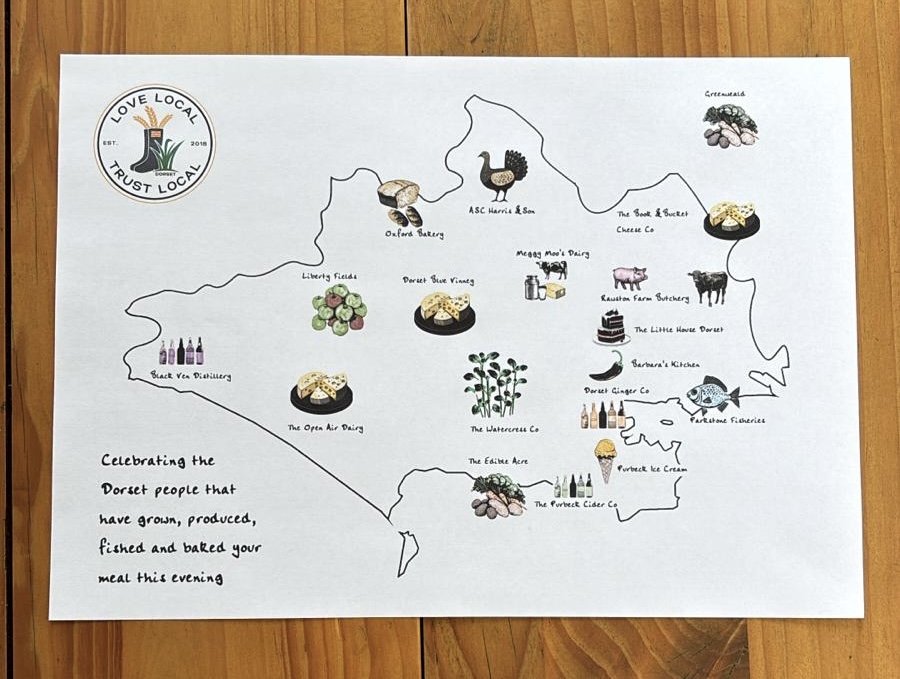
Supporting Local Suppliers: Hospitality businesses often source ingredients and products from local suppliers. This strengthens local agriculture and promotes sustainability within the community.
Building Community Through Hospitality
Exceptional hospitality goes beyond the transactional nature of business; it fosters relationships. Here’s how local businesses can enhance their hospitality offerings:
1. Personalised Service
- Know Your Customers: Remembering regular customers’ names and preferences can make them feel valued and appreciated.
- Tailored Experiences: Offering personalised recommendations based on previous visits can enhance customer satisfaction.
2. Creating a Welcoming Atmosphere
- Ambience Matters: The atmosphere of your establishment should reflect warmth and comfort. This can be achieved through thoughtful décor, music, and lighting.
- Community Involvement: Hosting local events or workshops can help build a sense of community and encourage locals to engage with your business.
3. Effective Communication
- Listen to Feedback: Encourage customers to share their opinions and suggestions. Actively listening can help you address concerns and improve service.
- Engage on Social Media: Use platforms to inform customers about special offers and community events, while also responding to queries in a timely manner.
Mistakes to Avoid in Hospitality
While striving for excellence in hospitality, businesses should avoid common pitfalls:
- Ignoring Customer Feedback: Dismissing criticism can lead to a negative reputation. Instead, use feedback as a tool for improvement.
- Neglecting Staff Training: Well-trained staff are crucial for delivering exceptional service. Regular training sessions can help ensure your team is equipped to meet customer needs.
- Failing to Adapt: The hospitality industry is ever-evolving. Businesses must stay informed about trends and adapt their services accordingly.
How to Choose the Right Hospitality Approach for Your Business
When determining your hospitality strategy, consider the following:
- Identify Your Target Audience: Understanding who your customers are will help tailor your services to meet their expectations.
- Assess Your Brand Values: Align your hospitality approach with your brand identity. Authenticity resonates well with customers.
- Evaluate Competitors: Observe what successful local businesses are doing well. This can provide insight into effective hospitality practices.
Building Partnerships for Success
Collaboration within the community can enhance your hospitality efforts. Consider partnering with local businesses for cross-promotions or joint events. For example, a café might collaborate with a nearby artisan bakery to offer special treats, creating a unique experience for customers.
Conclusion
As we continue to navigate the challenges of 2026, the importance of hospitality in our communities cannot be overstated. By prioritising exceptional service and building strong connections, local businesses can enhance their impact within Dorset. Embracing the essence of hospitality not only benefits individual enterprises but also strengthens the community as a whole.
For more insights on supporting local businesses, explore the Love Local Trust Local campaign and learn how to foster growth through community engagement.