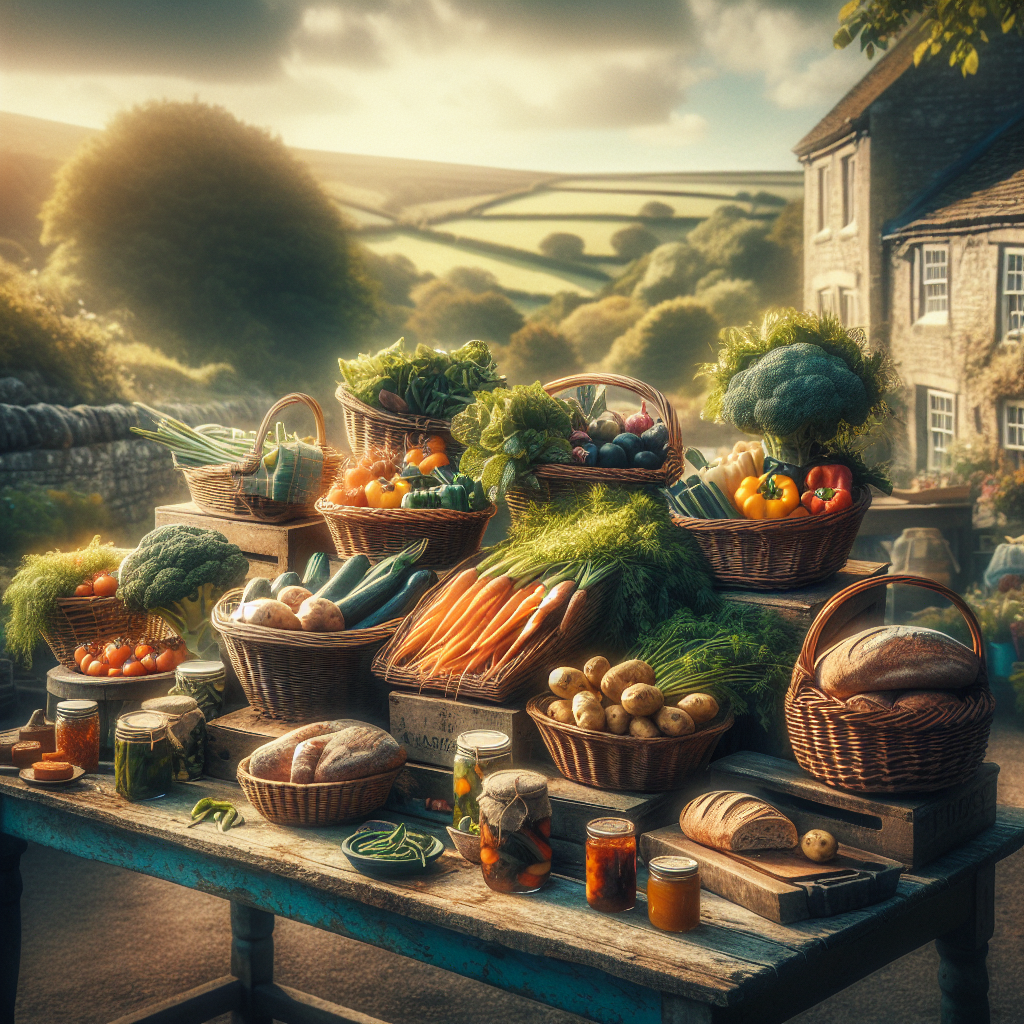
The pressing challenges of climate change and biodiversity loss pose significant threats to farming in the UK. As the landscape of agriculture evolves, small businesses in Dorset, including farms and local services, must adapt to ensure sustainability while remaining economically viable. This blog explores how integrating conservation practices into farming can lead to more sustainable outcomes, benefiting both the environment and local communities.
The Intersection of Farming and Conservation
Farming and conservation may seem at odds, but they can coexist harmoniously. Sustainable farming practices not only protect the environment but also enhance the resilience of local food systems. Here’s how:
Understanding Sustainable Farming
Sustainable farming encompasses various practices aimed at maintaining the health of the environment while producing food efficiently. Key principles include:
- Crop Rotation: Alternating crops to improve soil health and reduce pest cycles.
- Organic Practices: Minimising synthetic fertilisers and pesticides to enhance biodiversity.
- Agroforestry: Integrating trees and shrubs into crop and livestock systems to create more diverse ecosystems.
Benefits of Sustainable Farming
- Environmental Protection: Enhances soil health, reduces water pollution, and conserves biodiversity.
- Economic Viability: Sustainable methods can lead to reduced costs over time through better soil management and lower input costs.
- Community Engagement: Involves local communities in conservation efforts, fostering a sense of stewardship.
Conservation Techniques for Farmers
Implementing conservation techniques can significantly enhance the sustainability of farming operations. Here are some effective methods:
Establishing Wildlife Corridors
Creating pathways for wildlife helps maintain biodiversity and supports pollinator populations. This can be done by:
- Leaving hedgerows intact or planting new ones.
- Creating buffer zones around water bodies to protect aquatic ecosystems.
Water Management Strategies
Effective water management is crucial for sustainable farming. Consider the following practices:
- Rainwater Harvesting: Collecting rainwater for irrigation to reduce dependence on local water supplies.
- Drip Irrigation: Minimising water waste through targeted irrigation systems.
Soil Conservation Practices
Healthy soil is the foundation of sustainable farming. Techniques include:
- Cover Cropping: Planting cover crops during off-seasons to prevent soil erosion and enhance soil fertility.
- Reduced Tillage: Limiting soil disturbance to maintain soil structure and health.
How to Choose Sustainable Practices for Your Farm
Selecting the right sustainable practices can be overwhelming. Here’s a guide to help you make informed decisions:
Assess Your Land
- Soil Type: Evaluate the composition of your soil to choose suitable crops and practices.
- Local Climate: Adapt practices based on local weather patterns and rainfall.
Consult Local Experts
- Engage with local agricultural extension services or conservation groups for tailored advice.
- Attend workshops or seminars focused on sustainable farming practices.
Trial and Monitor
- Implement a few practices on a small scale to assess their impact before full-scale adoption.
- Monitor changes in yield, soil health, and ecosystem diversity to gauge success.
Common Mistakes to Avoid
When transitioning to sustainable practices, avoid these pitfalls:
- Neglecting Soil Health: Overlooking soil management can lead to long-term degradation.
- Ignoring Local Biodiversity: Failing to consider local species can undermine conservation efforts.
- Underestimating Costs: Initial investments in sustainable technologies may be higher; plan your budget accordingly.
Building Community Connections
Farming is not just about producing food; it’s about building connections within the community. Here are ways to engage with local consumers:
Attend Farmers’ Markets
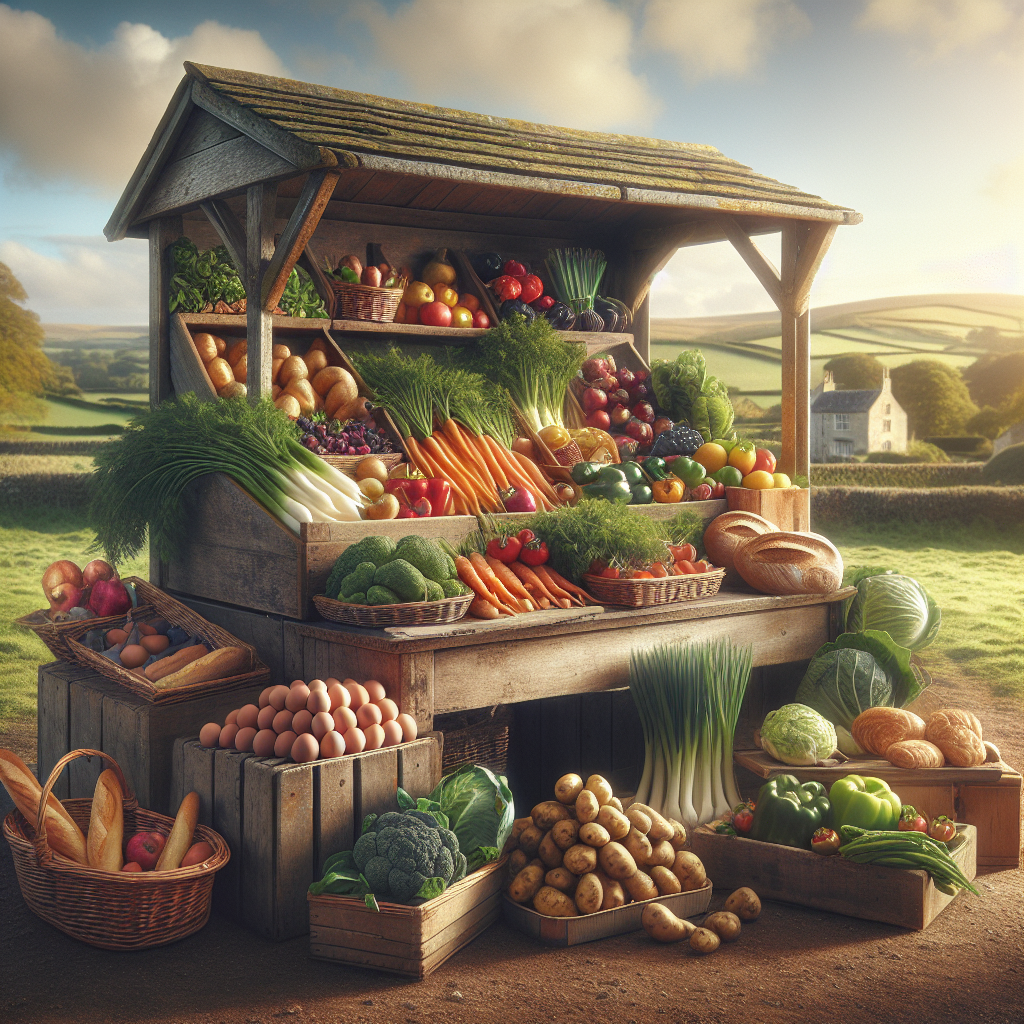
Participating in local farmers’ markets can boost sales and foster relationships with consumers. It provides a platform to showcase your commitment to sustainability.
Collaborate with Local Businesses
Partnering with local businesses can enhance your reach. For instance, consider offering your products to local restaurants that prioritise sustainable sourcing.
Educate Consumers
Host farm tours or workshops to educate the community about sustainable practices and the importance of local food systems. This can enhance customer loyalty and support for your business.
The Future of Farming in Dorset
As we look towards the future, the integration of farming, conservation, and sustainability will be critical for the survival of local agriculture in Dorset. By embracing sustainable practices, farmers can protect the environment while ensuring economic viability.
For local businesses, adapting to these changes is not just beneficial but necessary. The combined efforts of farmers, local services, and consumers can create a sustainable food system that supports both the environment and the local economy. By working together, we can forge a pathway to a greener future that prioritises conservation alongside agricultural productivity.
For more insights on supporting local farmers and sustainable practices, explore our farmers’ markets and learn how to engage with your local community effectively.