In April 2026, the UK faced alarming news as border control authorities uncovered the largest seizure of illegal meat in recent history. This discovery poses a significant threat to our local farmers and the integrity of our food system. With the potential for disease introduction and market disruption, the ramifications of this issue extend far beyond the immediate haul. It is imperative for businesses and consumers alike to understand the risks involved and take proactive measures to safeguard our local agricultural communities.
The Scale of the Problem
Understanding the Haul
The recent discovery involved vast quantities of illegal meat entering the country, raising serious concerns about biosecurity and food safety. The meat was not only unregulated but also lacked the necessary health certifications required for importation. Such violations can have dire consequences for British agriculture, particularly for farmers who adhere to strict hygiene and animal welfare standards.
Risks to Animal Health
The illegal meat poses a dual threat. Firstly, it can carry diseases that may affect livestock, such as foot-and-mouth disease or African swine fever. Secondly, the introduction of these diseases could lead to widespread outbreaks, jeopardising the livelihoods of local farmers and the food supply chain. The repercussions could be catastrophic, resulting in increased veterinary costs, loss of livestock, and an overall decline in market confidence.
Why Local Matters
Supporting British Farmers
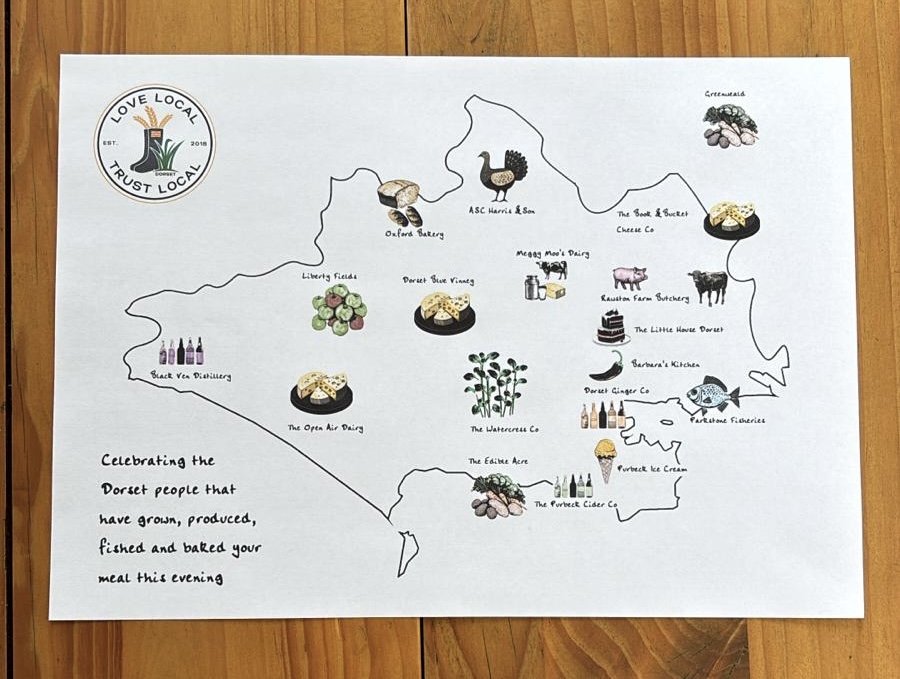
In light of such alarming incidents, supporting local farmers has never been more critical. By choosing to buy British, consumers not only ensure the quality and safety of their food but also contribute to the sustainability of local economies. The Love Local Trust Local initiative encourages consumers to seek out local produce, reinforcing the importance of traceability and quality in our food sources.
Building Resilience
Local farms are the backbone of our communities. By prioritising home-grown food, we reduce our reliance on imported products, which are often subject to less stringent regulations. This not only enhances food security but also fosters resilience within our local agricultural sector.
How to Choose Safe and Local Meat
When selecting meat products, consumers and businesses should be diligent in ensuring that they are sourcing from reputable suppliers. Here are some key considerations:
1. Check for Certification
Ensure the meat carries the appropriate health certifications. Look for labels that indicate it has been sourced from regulated farms, such as the British Red Tractor mark, which guarantees adherence to strict food safety standards.
2. Ask About Sourcing Practices
Inquire where the meat is sourced. Make it a habit to ask suppliers about their sourcing practices and whether they work with local farms. Understanding the supply chain helps ensure that you are supporting responsible farming practices.
3. Research Local Suppliers
Utilise resources such as the Love Local Trust Local website to connect with local farmers and producers. These platforms often provide information about where to find fresh, locally sourced meat.
4. Be Wary of Deals Too Good to Be True
If a deal seems excessively cheap, it could be a red flag. Quality meat comes at a cost, and significantly lower prices may indicate a lack of adherence to safety standards.
Common Mistakes to Avoid
As consumers seek to support local agriculture, a few common pitfalls can undermine these efforts:
1. Ignoring Labels
Many consumers overlook the importance of labels. Always read the packaging to ensure that the meat originates from a trusted source.
2. Failing to Ask Questions
Don’t hesitate to engage with suppliers about their products. Knowledgeable suppliers should be willing to discuss their sourcing and safety practices.
3. Relying Solely on Price
While budget is important, prioritising price over quality can lead to unsafe purchasing decisions. Always balance cost with assurance of safety and quality.
What Businesses Can Do
Engage with Local Producers
For businesses, creating partnerships with local farmers can enhance your supply chain’s reliability. Establishing consistent relationships not only ensures quality products but also strengthens the local economy.
Educate Your Customers
Share information about the importance of supporting local agriculture with your customers. Highlight the benefits of choosing locally sourced produce, such as reduced carbon footprint and enhanced food safety.
Advocate for Stronger Regulations
Businesses can play a role in advocating for stricter regulations on meat imports. Engaging with local councils and agricultural associations can help push for policies that protect local farmers and consumers alike.
Conclusion
The recent haul of illegal meat entering the UK serves as a wake-up call for consumers, businesses, and policymakers. It is crucial to recognise the implications of such incidents on the agricultural sector and to take proactive steps to support our local farmers. By prioritising local sourcing, educating ourselves and our customers, and advocating for stronger regulations, we can collectively work towards a safer and more resilient food system.
For more insights on supporting local businesses and understanding the importance of quality food sources, explore the Love Local Trust Local initiative today.